

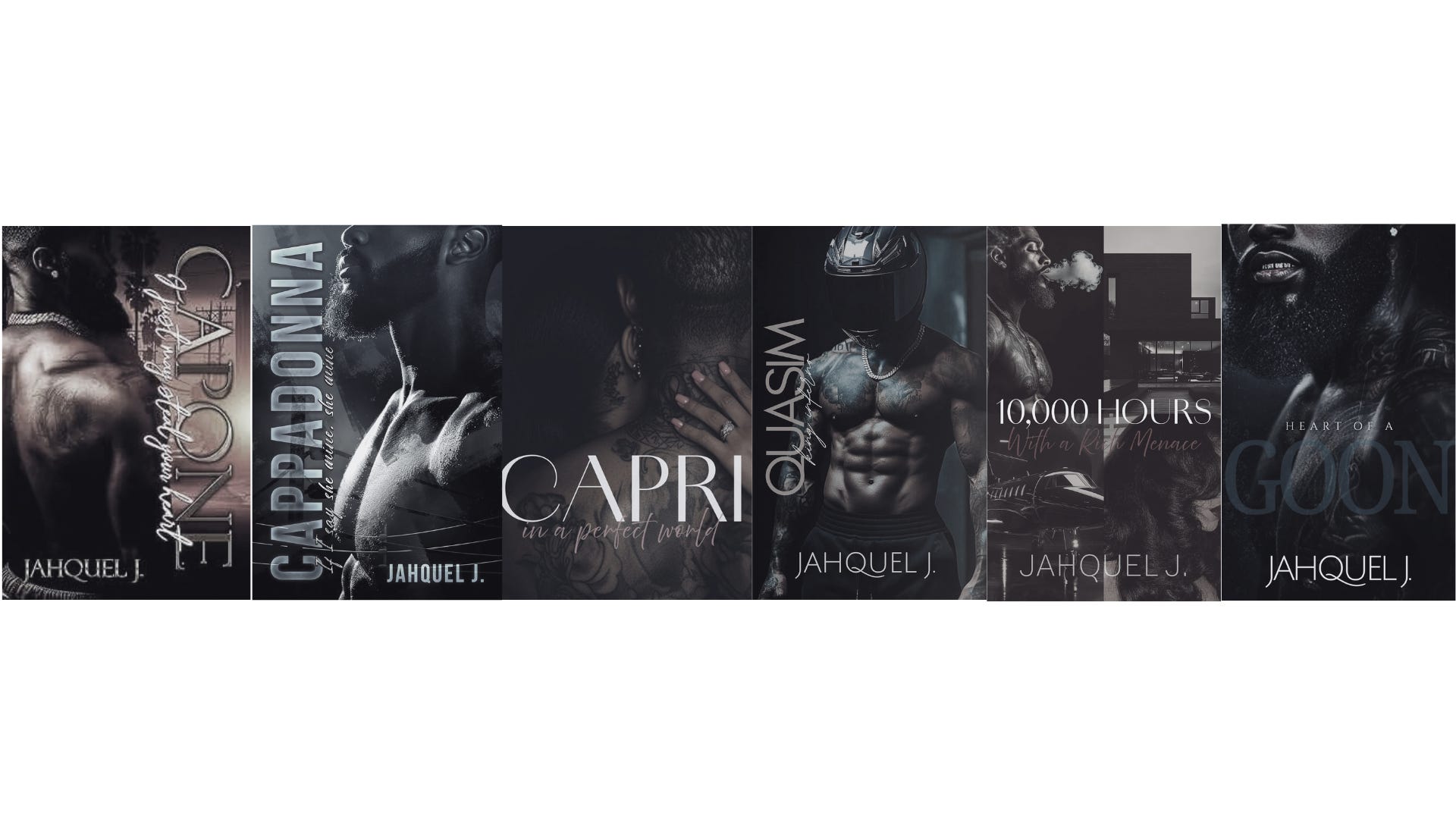
If you know me, you know I LOVE Jahquel J.’s Delgato, Inferno, Caselli Universe. This series is my home. No matter where I go, I always return. The characters feel like family, the scenes feel like my own memories… which, as I am typing this, sounds strange. What I mean is, I’ve read and reread this series so much, it feels like it’s a part of me. One thing I will forever cringe at when I hear it is the comparison of The Delgato Series to Starz’ Power.
Now, I get it. The series will inevitably be compared to Power because of some their similarities: setting, organized crime, Black protagonists, and the ultimate journey from the streets to legitimacy. But the similarities stops at the premise.
I recognize Power is a classic, I will never argue or attempt to diminish it’s impact and the incredibly hard-working team that built that universe, it’s ultimately a story of individual ambition, power, identity, and escape, whereas Jahquel J. expounds upon this and introduces community, selfless sacrifice, love, and interconnected power.
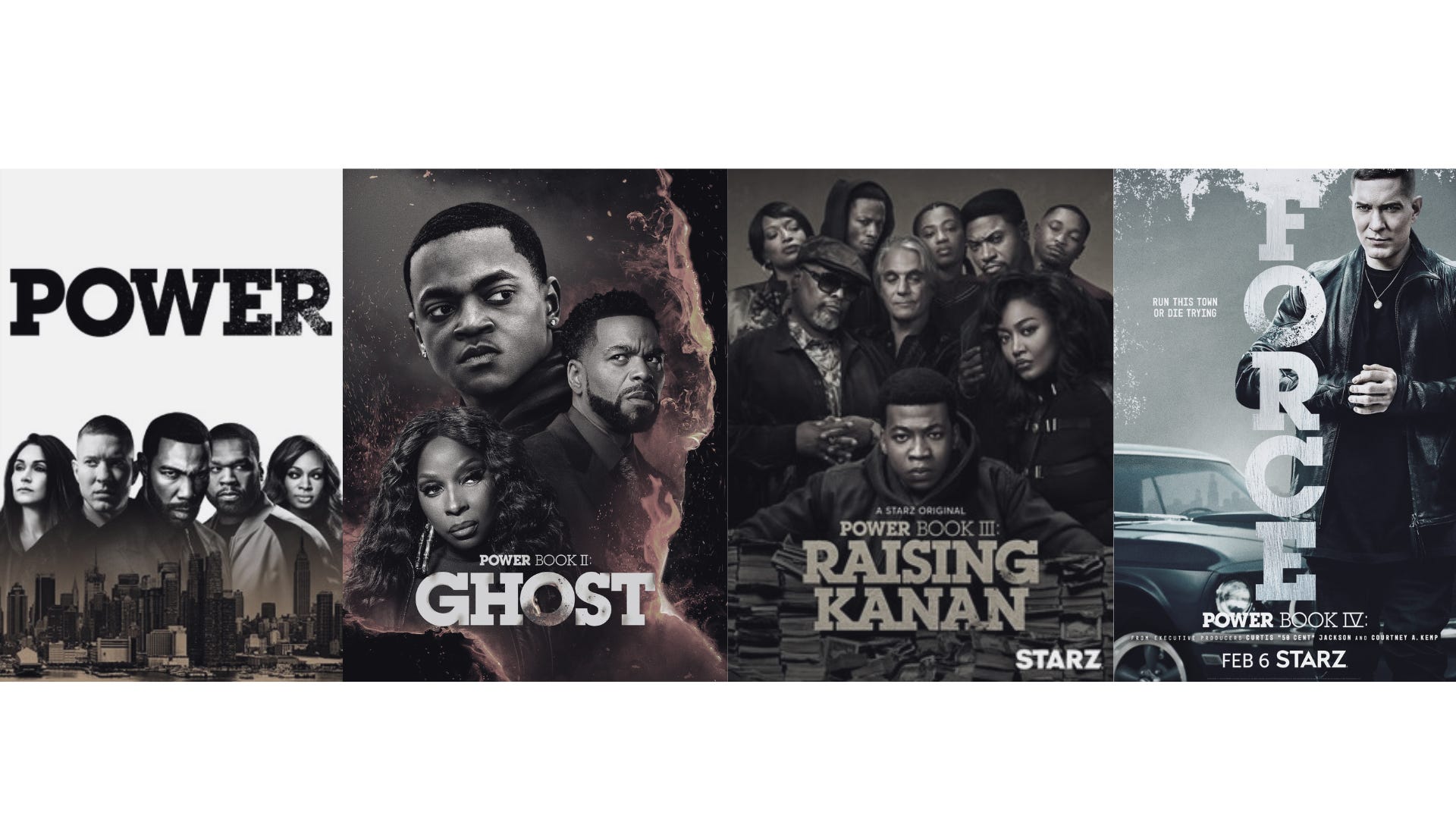
God willing, the Delgato Series will be adapted into a series one day, but it will not be the next Power. It simply goes beyond, goes deeper, and introduces a new genre of hero.
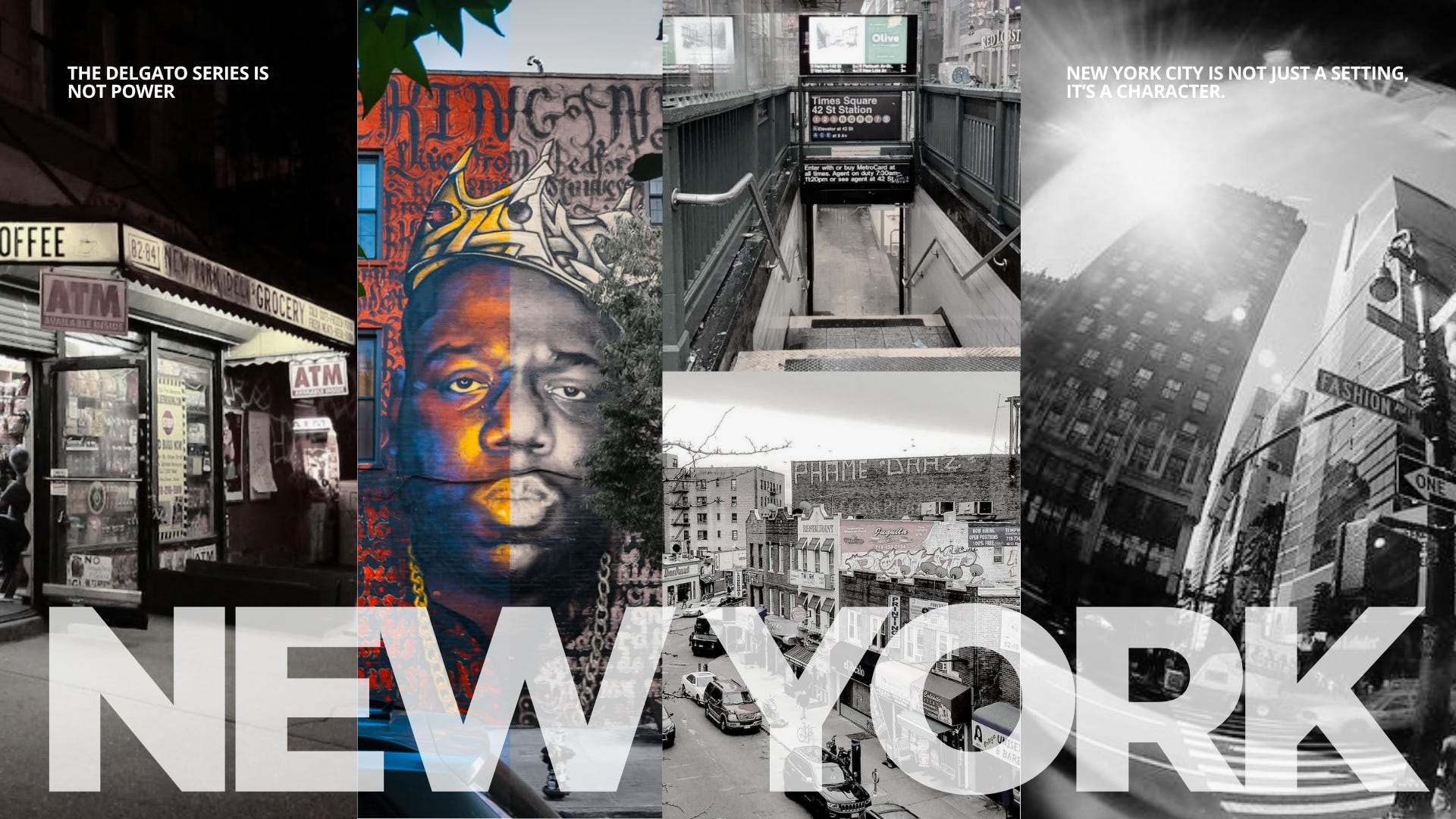
New York City is not just a setting, it’s a character.
One of the strongest observations when comparing the two worlds is that both universes are deeply set in NYC. From the pedestrians to the asphalt, to the high-rise buildings, and the gray color grading, Power showcases the city just as much as it does its lead actors, Omari Hardwick as James “Ghost” St. Patrick and Naturi Naughton as Tasha St. Patrick. New York is established as Ghost’s empire and the ecosystem in which he moves; from his club to the penthouse, and in the shadows of dark alleys in his black hoodie and Tims.
Jahquel J. takes a bit of a different approach. The architecture, the neighborhoods, local businesses, and community are more than just a setting; they unveil the identity of the characters. Although, when we meet Capone Delgato, the first male lead in the series, he’s far removed from the city, living in a mansion on the outskirts, the city still molded him.
As the series continues, we learn that the Delgato family’s mark on the city actually began a generation before. Their name and presence are still felt throughout the community, and vice versa, the city’s influence remains deeply ingrained in Capone. Despite his wealth and physical distance from the neighborhood, he remains loyal to select familiar places and figures from his childhood.
CAPONE’S INTRODUCTION: In fact, when we first meet Capone, he’s posted up at the corner store, a small but intentional signal connecting him to the community that raised him. Capone often notes his desire to avoid the city, and he isn’t at the store simply to lounge around; it’s a stop before handling business. Still, the choice of location matters. Despite his wealth, Jahquel J. never completely separates Capone from the city. There are partsof his old life that remain familiar, accessible, and important to him.
FIRST DATE: When Capone takes Erin on their first date, he doesn’t take her to an upscale restaurant. He takes her to a fish market in Harlem. The owner is a family friend, and the location holds memories for Capone. By bringing Erin there, he isn’t just showing her the city, he’s offering her access to a piece of himself. Like many of the locations Jahquel J. highlights throughout the series, the fish market carries history, relationships, and memory.
I can’t argue that Ghost doesn’t have intimate connections to New York, because he does. The distinction is in what each story chooses to emphasize. Power frequently uses New York to establish the world Ghost commands, the world he navigates, and the world he is attempting to transcend. Jahquel J. repeatedly uses specific places within New York to unravel Capone’s identity for the reader.
For Ghost, New York helps us understand the size of his world.
For Capone, New York helps us understand the man.
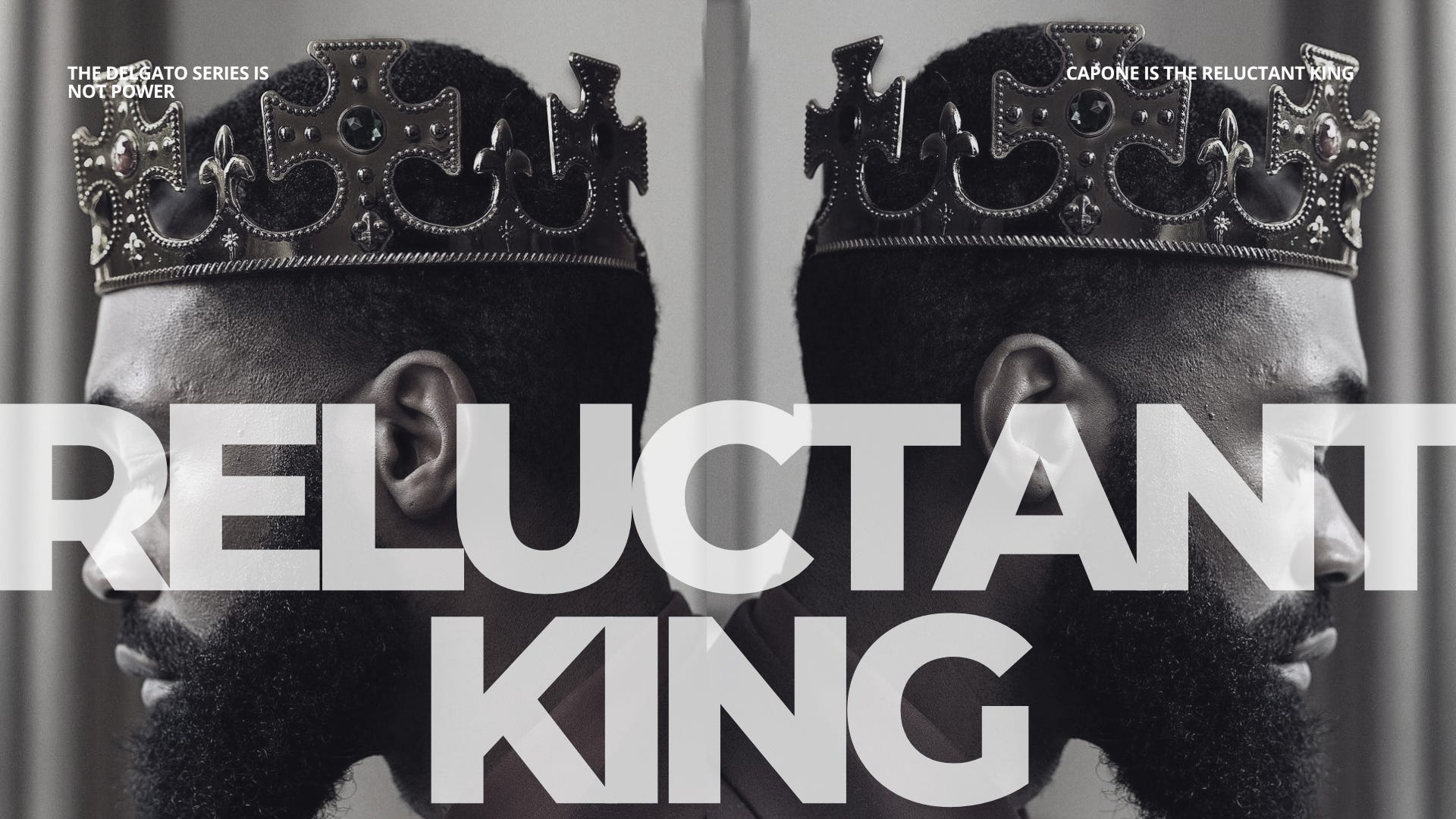
Capone is the Reluctant King
The concept of the reluctant king centers on a leader who does not inherently desire power, they operate out of duty or necessity. Capone’s circumstances demanded his rise; leadership was not natural or even really desired.
Due to his brother Cappadonna’s unfortunate incarceration, which we later learn was an act of love and sacrifice in its own right, Capone becomes “King” out of necessity. Capone builds enough wealth and power to provide for and protect his family, ensuring that when his brother comes home, he has something significantly better to return to!
Yet, throughout the 15 years that separated the twins, Capone and Cappadonna continued to operate as a team on an equal strategic playing field. The only thing separating them was prison bars; otherwise, they remained locked in. Even from behind bars, Cappadonna maintained enough of his brother’s respect to guide him, challenge his decisions, and hold him accountable. Capone may have been the brother physically sitting on the throne, but Jahquel J. never positioned him as an absolute authority.
Although Capone assumed the responsibility of protecting his family and securing their financial future, he was not inherently the ruthless leader the streets demanded him to be.
Now, does Capone handle business? Absolutely. Better than most, which is exactly why he is where he is.
But one of Capone’s most consequential character flaws is his tolerance.
That instinct for domination, and conquest that seems almost second nature to so many fictional kingpins is not innate to Capone. In fact, his tolerance repeatedly creates problems that drive not only the plot forward but also readers’ frustration with him.
It is his tolerance for his “cook,” Tasha, that ultimately spares her life. Although imprisoned, she remains alive and capable of betraying his family again, which she does. Similarly, his tolerance for Trilla, the kingpin Capone and his twin once worked for before he betrayed them, allows Trilla to wreak even more havoc, ultimately becoming Capone’s primary adversary across Capone Books 1, 2, and 3. Even smaller characters, like Yung Cuz, benefit from Capone’s leniency, creating unnecessary complications that could have otherwise been avoided.
And I’d argue that this pattern exists precisely because Capone became a leader by necessity, not ambition.
His original intention was never to lead. He never set out to become the man calling the shots, literally or figuratively. Capone is not reluctant because he is incapable of being King. He is reluctant because becoming King was never the dream. It was the assignment.
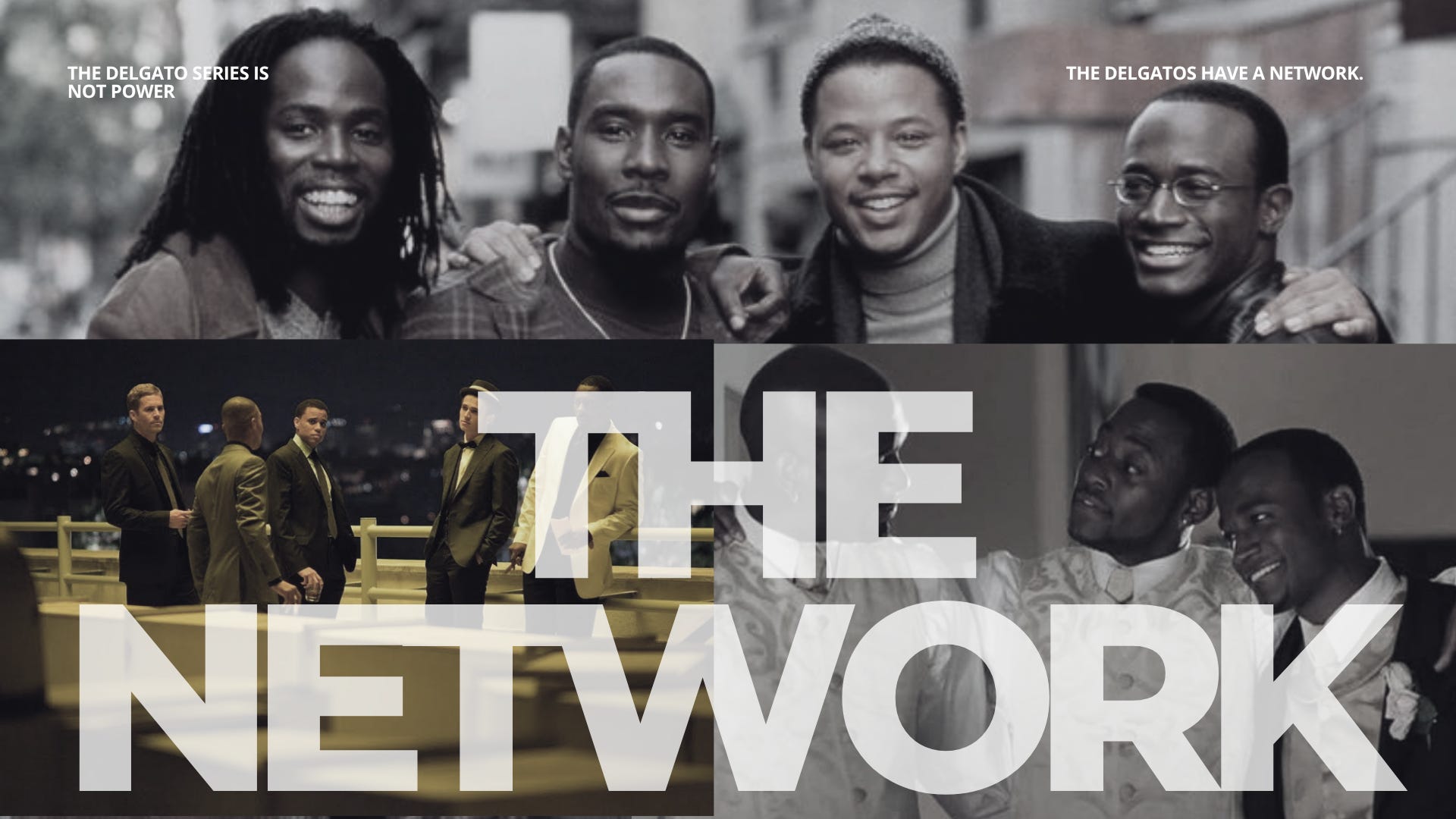
Power Has a Hierarchy. The Delgatos Have a Network.
The original Power series is Ghost-centered, and nearly every component of its world is introduced in relation to him. Tommy is his right-hand man. Tasha is his wife, who sadly hasn’t realized that the man she once loved is no longer the man she knows today, but that’s a story for another time. Angela is the one who got away, serving as a beacon of light, perhaps even his lighthouse, representing the life he could have had if things were simpler.
While Jahquel J.’s Delgato universe is founded on Capone’s story, Capone has never existed without being part of a duo. He was born with his right-hand man, his twin brother Cappadonna, and they operate as equals.
The author’s exploration of brotherhood isn’t new to her work; in fact, it’s a bit of a trademark. In A Staten Island Love Story, she introduces two “brothers” who aren’t biologically related at all, but rather close friends bound by loyalty. When one dies, the other continues building in his absence, saving and investing what would have been his brother’s share for his children. Essentially, everything Rahmeek Vanducci’s children had, he ensured the Cromwell family had as well, even down to their name appearing on the family business. Their brotherhood extended beyond friendship and even death, becoming a shared legacy.
This unity is rooted in a network of mutual responsibility rather than hierarchy of authority.
As the Delgato series progresses, we encounter other families operating within similar dynamics. These relationships aren’t simply supporting elements of Capone’s story; they establish independent centers of influence, loyalty, and power that exist alongside his own.
This distinction is pivotal to the structure and feel of Jahquel J.’s universe. While Power largely builds its original narrative around one man’s ambitions and the people orbiting him, the Delgato universe expands through interconnected relationships in which power is not exclusively concentrated in one individual.
In Power, relationships often establish where characters stand in relation to Ghost.
In the Delgato universe, relationships establish how these men stand beside one another.
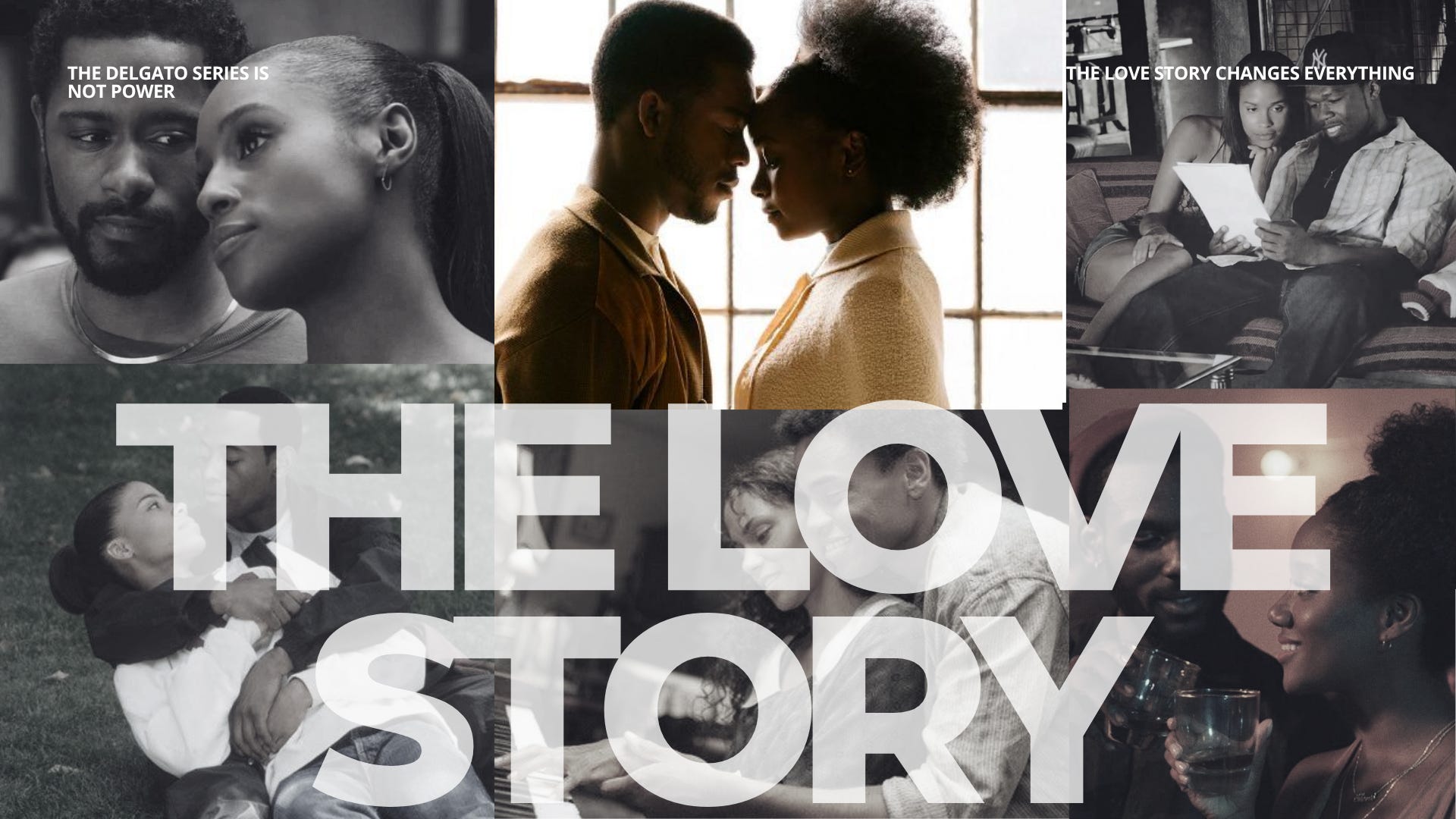
The Love Story Changes Everything
The Delgato series branches away from the traditional crime drama narrative, offering readers a love that is soft, reassuring, dependable, yet still exciting. Where Power often uses romance as a source of conflict through Ghost and Angela’s ongoing affair, Jahquel J. initially introduces a similarly complicated dynamic. Erin, the female main character in Capone, is the ex-girlfriend of Capone’s brother-in-law. However, readers quickly recognize the limitations of that former relationship. What Erin experienced before was puppy love, while Capone meets her as a fully realized woman and intentionally courts her as such.
Unlike Ghost, whose relationship with Angela represents an opportunity to escape the reality he has built, Capone doesn’t pursue Erin as a means of escaping his own life. Instead, ever the provider, he seeks to build a new reality with her, one in which her needs are met without diminishing her independence or disregarding the life she has already built for herself.
One of my favorite scenes in the book is when Capone visits Erin at her basement apartment. Despite owning a mansion of his own, he makes it clear that home is wherever she is. His willingness to exist comfortably in her space speaks volumes about the nature of their relationship. He isn’t trying to remove her from her world to make her fit into his.
And while both Capone and Erin find comfort and refuge in each other’s presence, neither is running from their reality.
For Ghost, love represents the possibility of another life.
For Capone, love becomes an opportunity to build a life together.
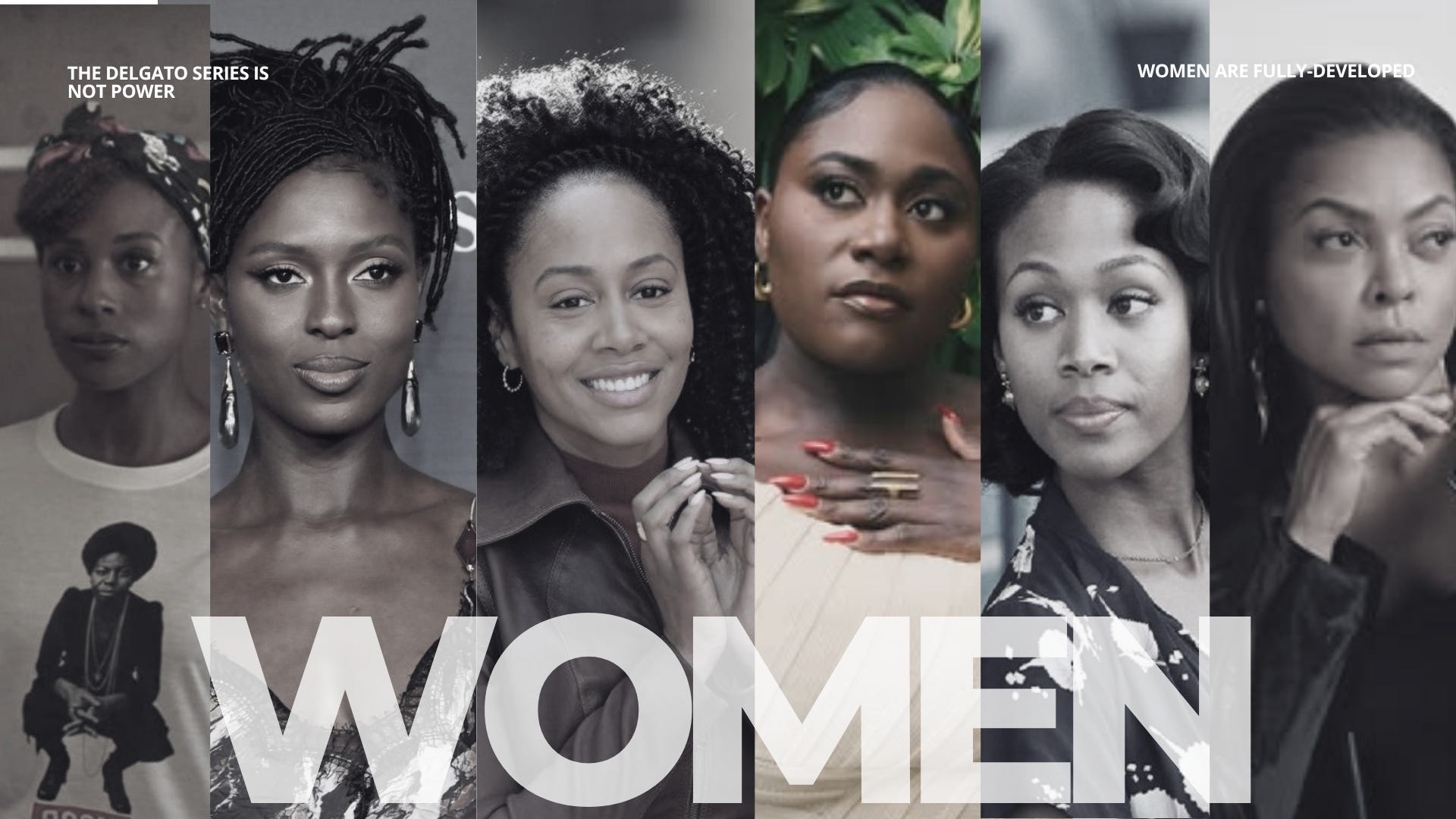
Women Are Fully Developed Beyond Symbolism
I know I’ve mentioned it a few times, but Angela represents hope and an alternate future for Ghost, while Tasha represents his current reality. Although both women are complex characters with their own motivations, they also serve as representations of competing versions of the male protagonist’s identity.
Erin is different.
Truthfully, she didn’t want the man in the first place. Okay, she wanted Capone, because who wouldn’t? But she wasn’t falling at his feet. She had her own responsibilities, history, wounds, desires, and a life that existed well before he entered it.
Additionally, Erin is far from the conventional female lead or love interest for your neighborhood 6’5”, Maybach-driving, kingpin.
She’s plus-size, 30 years old, (in a genre where women in their perky twenties are often fetishized), complicated, and outspoken. She survived the devastating loss of her parents to murder and suicide, leaving her responsible for raising her teenage brother. She speaks her mind, which is precisely what attracted Capone to her in the first place. And she has alopecia.
Following the loss of her parents, Erin carried the physical manifestations of her grief and stress. Although she eventually recovered in some ways, her hair never did. Yet, her experience gives us one of my favorite lines in the entire series:
“The name still stands.”
Capone reassures Erin that her nickname, Gorgeous, still stands after he unexpectedly sees her unshaven bald head. He affirms that her beauty is not predicated on any physical attributes.
It’s a small exchange that carries tremendous emotional weight. Capone doesn’t ask Erin to become someone else to be worthy of his affection. He sees the woman standing in front of him, including the experiences that have shaped her.
And that’s what makes Jahquel J.’s approach to characterization so significant. Erin isn’t simply introduced to soften a dangerous man or represent the possibility of a better life. She has already been living, surviving, sacrificing, and making decisions long before Capone enters the picture. Their romance doesn’t give her a story; it becomes part of the story she already has. He avenges over a decade of wrongs on her behalf.
Introducing protagonists like Erin is a deliberate statement and a meaningful point of differentiation. To overlook the complexity of her characterization in a potential adaptation would be to overlook one of the greater messages of the story.
Honestly, The Delgato Series Is Just Not Power
Reducing the Delgato series to another crime saga misses the very elements readers have connected with and that helped elevate the series into the BookTok phenomenon it is today. Family, brotherhood, sacrifice, loyalty, protection, love, community, and, later in the series, mystery are the pillars on which this world rests.
Ultimately, when the Delgato series is adapted, because I believe it will be adapted one day, I can only hope filmmakers don’t take all their creative cues from Power. The Delgato universe contains multitudes, its influences and possibilities extend far beyond the conventions of a traditional crime drama.
If I had my way I want to see…
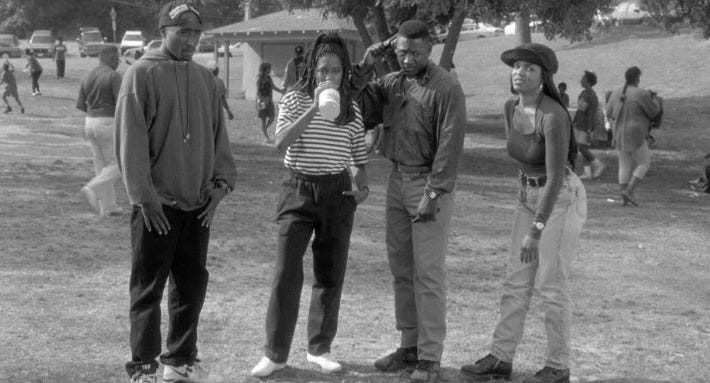
Cookouts like Poetic Justice.
Because the cookouts show us what the shootouts never will, humanity. They’re not simply soldiers on a mission for money, power, and respect. They’re brothers, sons, husbands, fathers, and friends. They eat, laugh, tease one another, and live. These moments aren’t distractions from the story; they’re essential to understanding what’s at stake when violence threatens their world.
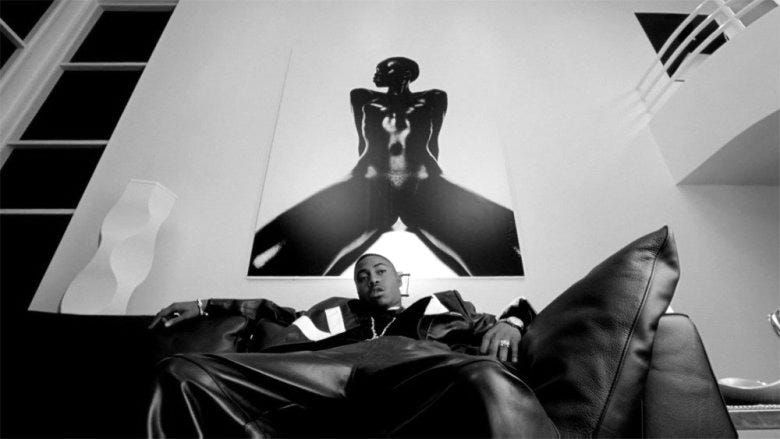
Cinematography like Belly.
Yes, they’re gangsters, kingpins, gang leaders, pyromaniacs, and just plain old maniacs. Their larger than life authority deserves an equally commanding visual language. Give us the dramatic lighting, striking compositions, and unapologetic style that communicate their presence before they ever say a word and screams NYC.
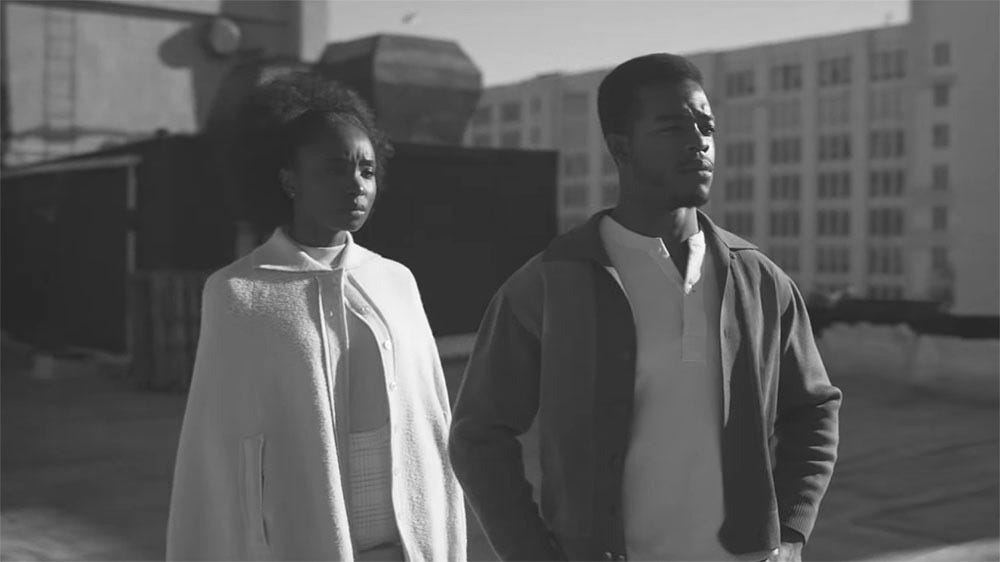
Love that’s resilient, soft, and patient, like If Beale Street Could Talk.
Love that survives difficult circumstances. Love that requires sacrifice, patience, vulnerability, and commitment. In Cappadonna’s story, especially, romance deserves to be treated as more than a subplot between moments of violence. These men aren’t simply fighting for territory or wealth; they’re fighting for the people they love and the lives they hope to share with them.
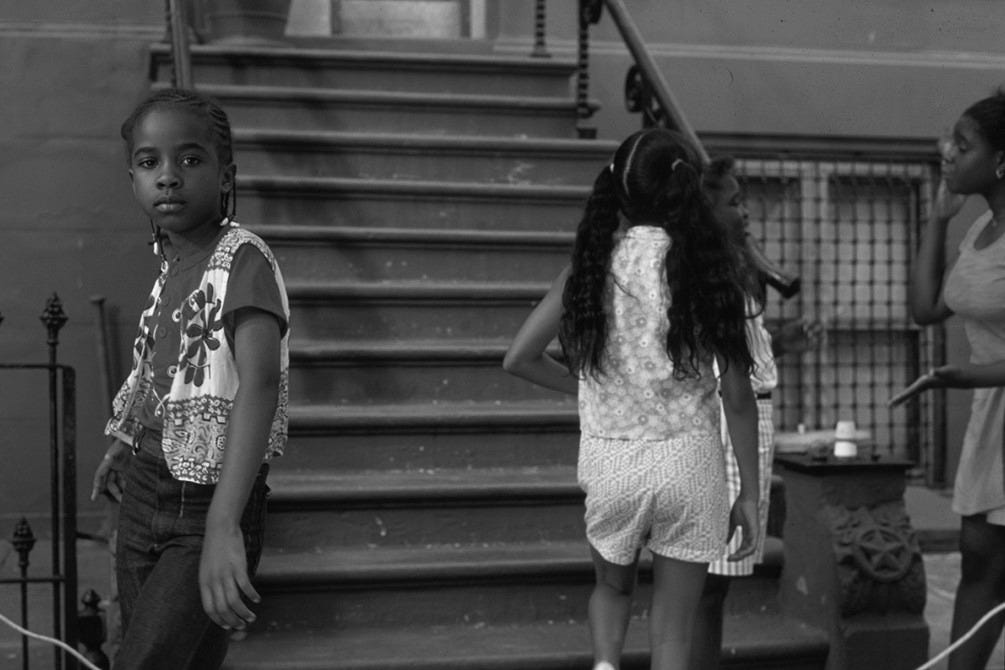
Community like Crooklyn.
Neighborhoods that feel lived in. Familiar faces, family-owned businesses, elders, childhood memories, and generations of shared history.
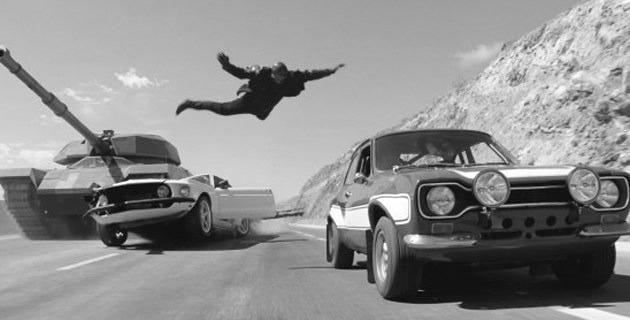
Action scenes like the Fast & Furious franchise.
Give us the highway shootouts! These characters operate on an extraordinary scale, and their action scenes should reflect that.
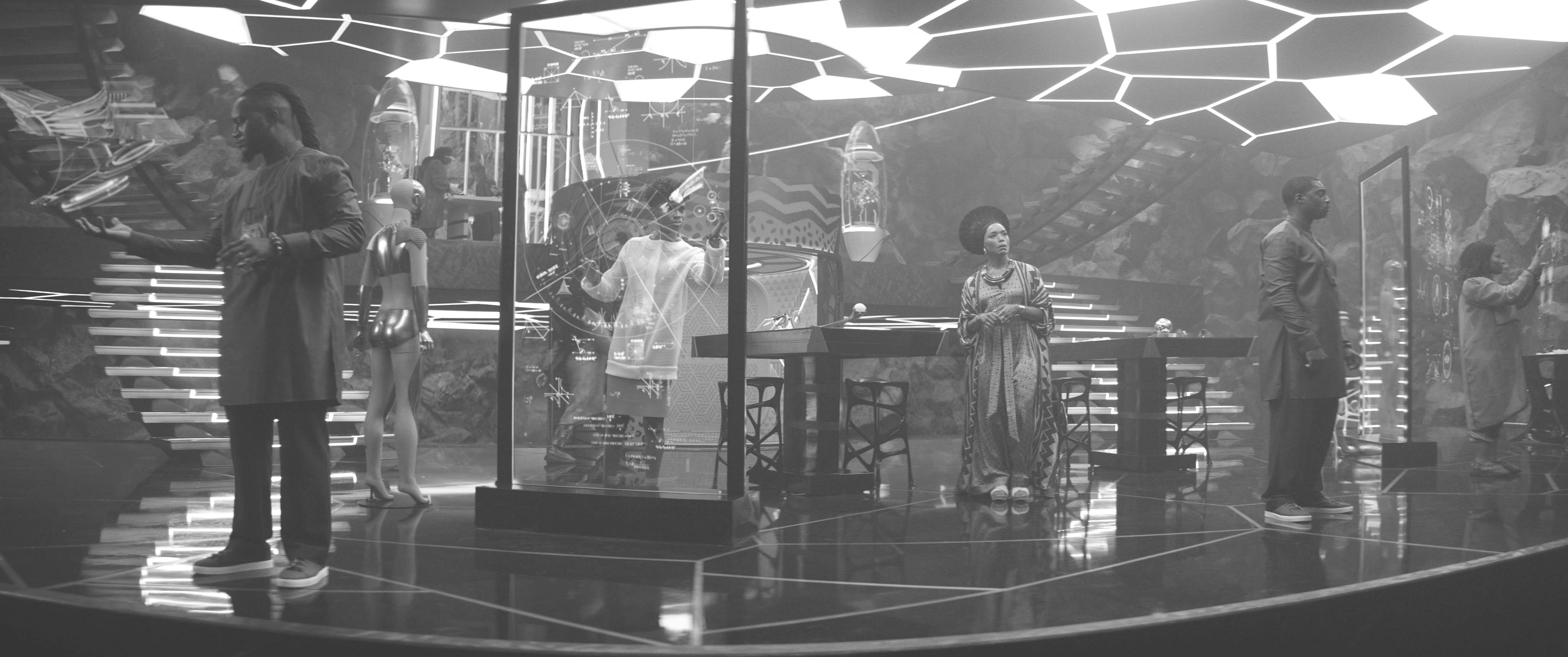
Technology inspired by Black Panther.
The Delgato universe is filled with wealth, resources, intelligence, and innovation. I’d love to see those elements translated into a distinctive technological world that reflects the characters’ sophistication and the scale of their operations, from Capone’s car museum to Core’s …well, everything.

Buddy comedy like Bad Boys.
Because although these men are deadly serious when circumstances demand it, they’re also hilarious. Their banter, teasing, disagreements, and natural chemistry are essential to the brotherhood Jahquel J. has built. The humor should feel organic, coming from years of shared experiences and love, because they love one another and they say it and they show it!
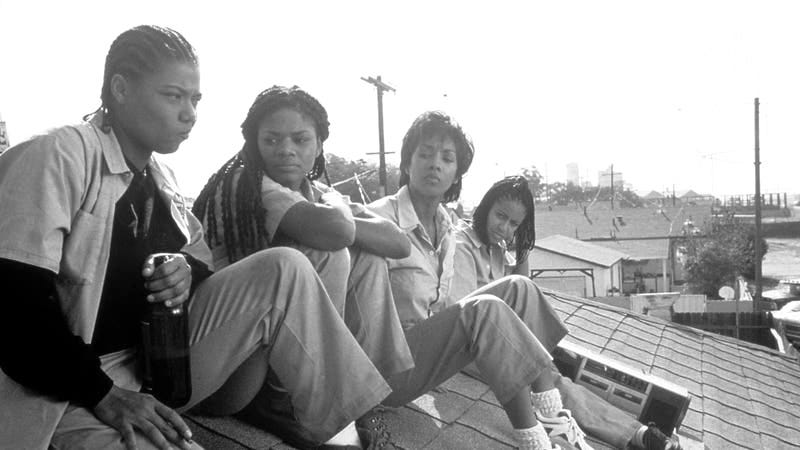
Sisterhood like Waiting to Exhale and Set It Off.
Although not all related by blood, Jahquel J. assembles a community of Delgato, Inferno, Caselli, and Wraithe women who support, uplift, challenge, and ride for one another. Their relationships deserve just as much attention as the men’s brotherhood. These women aren’t simply waiting at home for their partners to return; they have friendships, responsibilities, ambitions, and loyalties of their own.
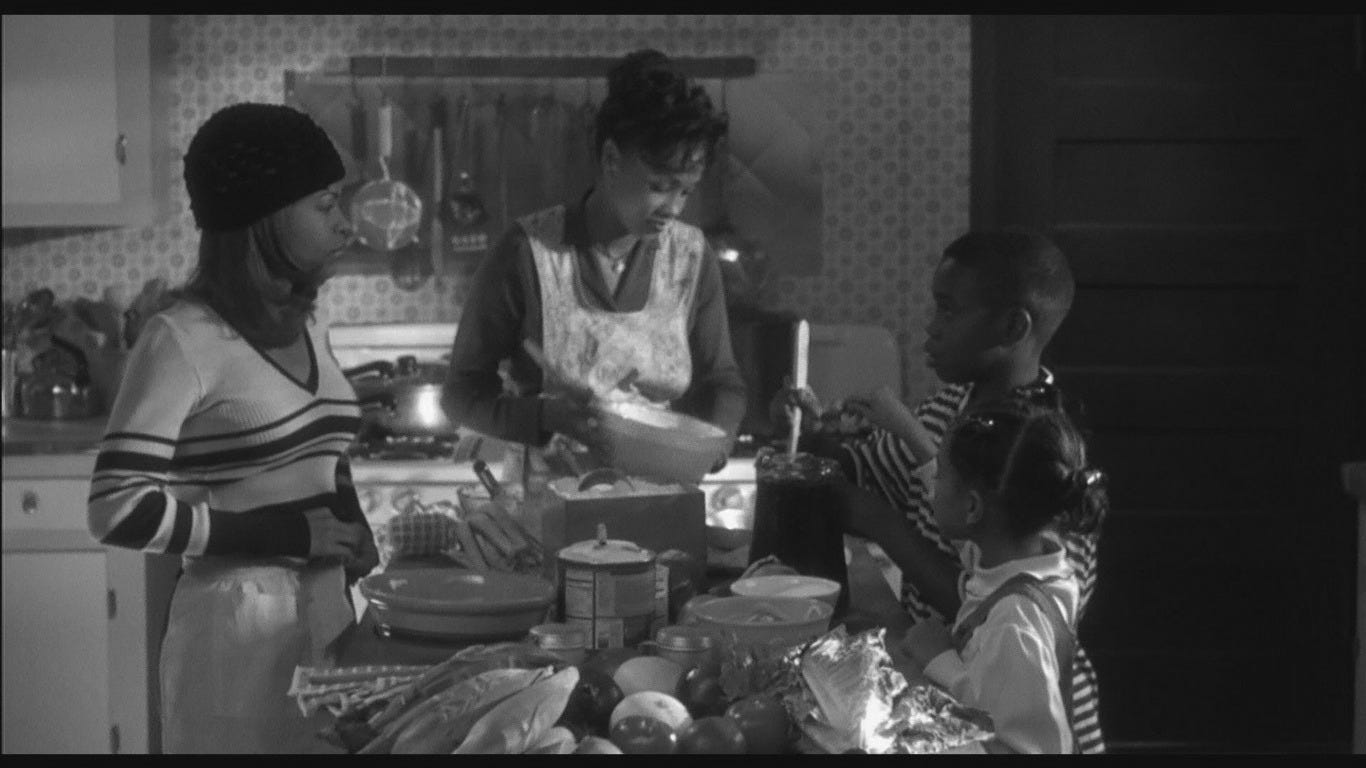
Emotion and loss like Soul Food.
Jahquel J. doesn’t shy away from the joys or dangers of loving deeply. Loss carries weight in this universe because the author takes the time to show us what these relationships mean.
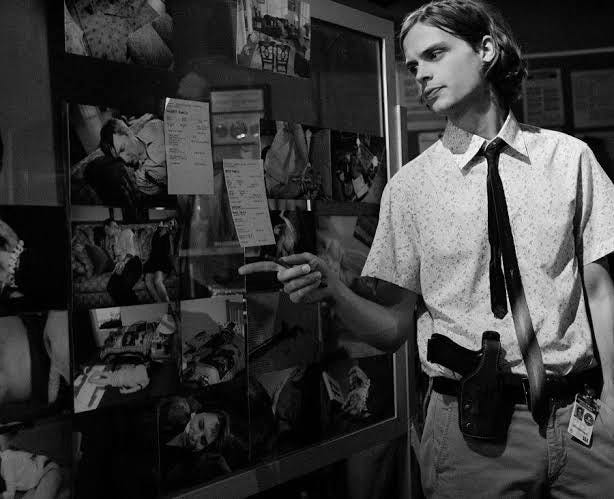
Mystery like Criminal Minds
As the series progresses, Jahquel J. has readers connecting dots like detectives investigating a decades-old cold case. She weaves a web so intricate that characters introduced in seemingly insignificant roles in the very first book later emerge as major players. It’s suspense, carefully planted clues, and the satisfaction of watching unrelated storylines ( so we thought) converge.
If done right, the Delgatos will not be our next Power.
There is brotherhood that is integral to the narrative’s structure, not simply men pledging allegiance to a single protagonist. There is romance reminiscent of the great love stories of the ‘90s, rooted in tenderness, devotion, and commitment rather than relying solely on sex, chemistry, and escapism. Of course, there are fights, betrayals, highway shootouts, and men willing to go to extraordinary lengths to protect what’s theirs. But turn the page, and you might find one of those same men stopping by his grandmother’s house for her famous cookies.
That’s the duality that makes the Delgato universe feel fully realized. These characters can command empires and still find comfort in the simplest expressions of love. They can be feared in the streets and cherished at the dinner table. The tragedy of a future adaptation wouldn’t be that audiences compare The Delgatos to Power. Those comparisons are inevitable, sadly. The tragedy would be creating another Power when Jahquel J. has already given us something so unique. My hope is that the essence and heart of the Delgator universe remains.
Disclaimer: The following reflects my personal opinions and interpretations. No laws here… at all! I do not claim ownership of any images, characters, or intellectual property referenced. All rights remain with their respective owners. Lastly, I believe the series will be adapted one day, and this argument is based off of that potential.
Love this.
This was so well written and the break down...wow!